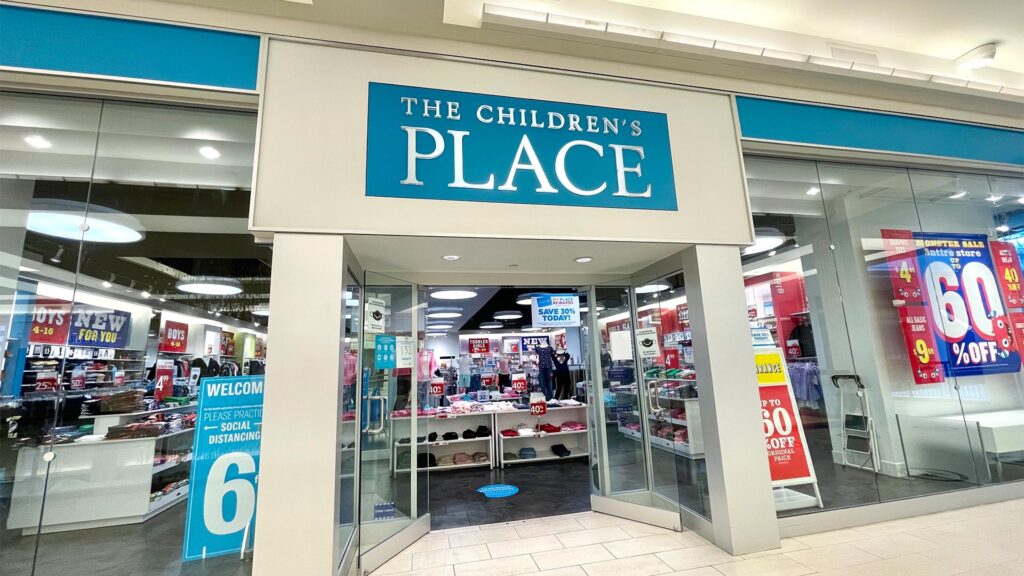
Quick answer: The Children’s Place filed Chapter 11 in New Jersey on November 8, 2026 and is selling substantially all of its assets. While the case is pending, the company must timely pay rent and other lease charges that come due after the filing. It has 120 days, until March 8, 2027, to assume or reject each store lease, unless the court extends that deadline. Landlords should calculate pre-filing arrears and stub rent now, watch for store closing sale motions, cure notices, and rejection notices, and object on time when the numbers or the proposed assignee are wrong.
Is The Children’s Place closing stores?
Some, almost certainly. The Children’s Place, Inc. and 13 affiliates filed Chapter 11 on November 8, 2026 in the U.S. Bankruptcy Court for the District of New Jersey, Case No. 26-22682 (SLM), before Judge Stacey L. Meisel. The company reported more than 500 stores in North America and has said stores and e-commerce remain open during the sale process, but public reporting indicates some closures will be necessary. Before filing, the company reportedly weighed bids from both an investor group and liquidators. The identity of the winning bidder will drive which leases survive.
In retail sale cases, the buyer usually designates the leases it wants and leaves the rest behind. Leases the buyer does not want are typically rejected, often after store closing sales.
Does The Children’s Place have to pay rent during the bankruptcy?
Yes. Section 365(d)(3) requires the debtor to timely perform its obligations under a nonresidential real property lease that arise after the filing, until it assumes or rejects the lease. The court can extend the time to perform obligations arising in the first 60 days, but only for cause.
In the Third Circuit, an obligation “arises” when the lease makes it due. Two consequences follow. First, rent that was due on November 1, 2026 and unpaid is generally a pre-petition claim, although landlords often seek administrative priority for the post-filing portion of November, commonly called stub rent. Second, year-end reconciliations for common area maintenance, real estate taxes, and insurance that are billed after the filing may be post-petition obligations, even if they cover pre-filing periods. Do not write those charges off.
How long does The Children’s Place have to decide on my lease?
Under Section 365(d)(4), the company must assume or reject each nonresidential lease within 120 days after the filing, which is March 8, 2027. The court can extend that period once by 90 days for cause. Any further extension requires the landlord’s prior written consent. If the company misses the deadline, the lease is deemed rejected and the company must surrender the premises.
In a sale case, the buyer may receive “designation rights,” meaning a period to pick which leases it wants assigned. That window still has to fit within the Section 365(d)(4) deadline unless landlords consent.
What happens if my lease is assumed and assigned to a buyer?
To assume and assign your lease, the company must cure monetary defaults and provide adequate assurance of future performance by the assignee. Shopping center leases get extra protection under Section 365(b)(3), which looks at the assignee’s financial condition, whether percentage rent will decline substantially, and whether the assignment would breach radius, location, use, or exclusivity provisions or disrupt tenant mix.
Anti-assignment clauses in the lease are generally unenforceable under Section 365(f), so the fight is usually over the cure amount and adequate assurance. You will receive a cure notice listing what the company says it owes. Check it against your ledger, including reconciliations and any attorneys’ fees the lease allows, and file an objection by the deadline. If you stay silent, you will usually be bound by the listed amount.
What if my lease is rejected?
Rejection is treated as a breach that occurred immediately before the filing. Your claim for future rent is capped by Section 502(b)(6) at the greater of one year of rent or 15 percent of the remaining term, not to exceed three years, plus unpaid pre-petition rent. That capped claim is a general unsecured claim. Courts commonly apply security deposits and letter of credit draws against the capped amount.
Rejection orders in retail cases often let the debtor abandon furniture, fixtures, and equipment left in the store. Read the proposed order so you know when you can retake the space and dispose of what is left.
Can the company run going-out-of-business sales in my center?
Debtors in retail cases routinely ask the court to approve store closing sales under sale guidelines that override lease restrictions on signage, hours, and sale advertising. Landlords can object to those guidelines or negotiate protections, such as limits on banner sizes and requirements to leave the premises broom clean.
What landlords should do now
- Calculate pre-petition arrears and stub rent separately, and identify any charges billed or due after November 8, 2026.
- Review any guaranty from a parent or affiliate, plus any letter of credit, and note expiration dates.
- Monitor the docket for the bidding procedures motion, store closing motion, cure notices, and rejection notices, each of which carries its own objection deadline.
- File a proof of claim by the bar date for pre-petition amounts and, if the lease is rejected, for rejection damages.
- Consider whether to seek a seat on the unsecured creditors’ committee; landlords often serve in retail cases.
Many of the same deadlines also matter to vendors, so if you supply goods or services to the company in addition to leasing space, your claims may need to be handled together.
A New Jersey bankruptcy attorney for Children’s Place landlords
Kasen Law Group is a bankruptcy firm with a New Jersey office in Cherry Hill. Our firm represents commercial landlords and other creditors in large Chapter 11 cases in the District of New Jersey, the District of Delaware, and the Eastern District of Pennsylvania. We file cure and adequate assurance objections, pursue stub rent and administrative claims, negotiate store closing protections, and prepare rejection damage claims.
If you own or manage a property leased to The Children’s Place or Gymboree, call us at (888) 959-8220 or use the contact form on this page.
Frequently Asked Questions
Does The Children’s Place have to pay rent after filing bankruptcy?
Yes. Section 365(d)(3) requires a Chapter 11 debtor to timely pay rent and other lease obligations that arise after the filing until it assumes or rejects the lease. In the Third Circuit, an obligation arises when the lease makes it due.
When must The Children’s Place decide whether to keep its store leases?
Under Section 365(d)(4), the company has 120 days after its November 8, 2026 filing, which is March 8, 2027, to assume or reject each nonresidential lease. The court can extend that once by 90 days for cause; further extensions require the landlord’s written consent.
What can a landlord recover if The Children’s Place rejects the lease?
The landlord has a general unsecured claim for unpaid pre-petition rent plus future rent capped by Section 502(b)(6) at the greater of one year of rent or 15 percent of the remaining term, not to exceed three years.
What is stub rent?
Stub rent is rent for the period between the filing date and the next rent due date. In The Children’s Place case, that is generally November 8 through November 30, 2026 for leases with rent due on the first of the month. Landlords often seek administrative priority for it.
Can a landlord stop The Children’s Place from assigning a lease to a buyer?
Anti-assignment clauses are generally unenforceable in bankruptcy, but the debtor must cure defaults and show adequate assurance of future performance. Shopping center landlords have added protections under Section 365(b)(3), including protection of use and exclusivity provisions and tenant mix.
About the Author
Jenny R. Kasen is the founding attorney of Kasen Law Group, P.C., a boutique bankruptcy firm with offices in Wilmington, Delaware and Cherry Hill, New Jersey. She represents creditors and debtors before the U.S. Bankruptcy Courts for the District of Delaware, the District of New Jersey, the Eastern District of Pennsylvania, and the Southern District of Florida. Her practice includes creditor-side work in large Chapter 11 cases, preference and adversary proceeding defense, and Chapter 7, 11, 13, and Subchapter V cases.
Disclaimer: This article provides general information about The Children’s Place, Inc. Chapter 11 case as it stood on November 9, 2026. It is not legal advice, and reading it does not create an attorney-client relationship. Court orders, deadlines, and the sale timeline can change quickly, so confirm current dates on the court docket or the claims agent’s case website, and speak with a lawyer about your specific situation. Attorney Advertising.